
Journal31 October 20261 min read
Cat Furniture Shelf Space: Tower vs Flat-Pack Wall
A 200 m² store can give cat furniture four to six linear metres of wall and still lose money on it. The pain is not the footprint; it is what sits behind it. One assembled displ…
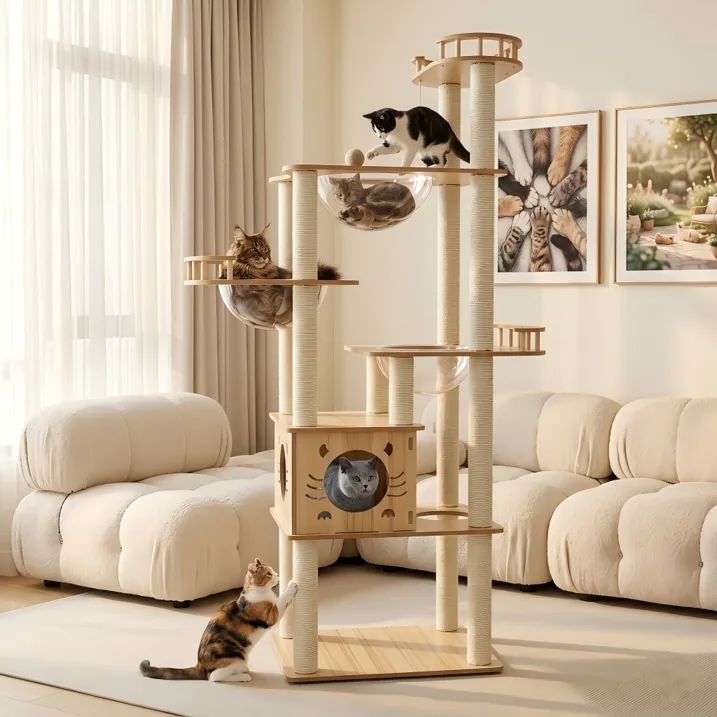
A single built tower ties up freight and floor space; flat-pack earns more per square metre if you accept assembly and returns.
A 200 m² store can give cat furniture four to six linear metres of wall and still lose money on it. The pain is not the footprint; it is what sits behind it. One assembled display tower ships at roughly 0.4–0.6 m³ and 18–25 kg, so freight per unit punishes you before the first sale, and every damaged corner becomes a claim against a supplier who may not answer. Flat-pack cartons at 60 × 40 × 15 cm stack six high on a 1.2 m pallet footprint, which is the only reason a small store can carry depth without renting a second unit.
Damage claims are the hidden line. Assembled towers arrive scuffed and chipped; expect 3–6% of a pallet rejected or discounted. Flat-pack runs lower, maybe 1–3%, but shifts the risk to the customer's assembly, and assembly complaints come back as warranty claims, not freight claims. Budget for both.
Margin per square foot decides it. A tower at 1.5 m² of floor returns perhaps £180–260 gross per year at two turns. A flat-pack wall of the same footprint, holding three SKUs at MOQ 10 units each, can return £400–600 if sell-through holds. Dropshipping removes the shelf question but adds 2–4 days to delivery and roughly £8–14 per order in shipping, which eats the margin on a £59 scratch post.
For most independents, allocate four linear metres: one assembled tower as the visual anchor, flat-pack behind it for breadth, and no more than three facing SKUs. Track returns by SKU for a quarter before expanding. If return rates exceed 8% on any line, cut the facing, not the category.
Mekidulu supplies heavy-duty birch cat furniture factory-direct with a 10-unit minimum order.
Sources: