Journal24 October 20261 min read
Why Cat Furniture Tops Your Return Rate — And How to Cut It
Cat furniture comes back more than anything else you stock, and the reason is usually physical rather than cosmetic. A tower that sways when a 5kg cat lands on the top platform …
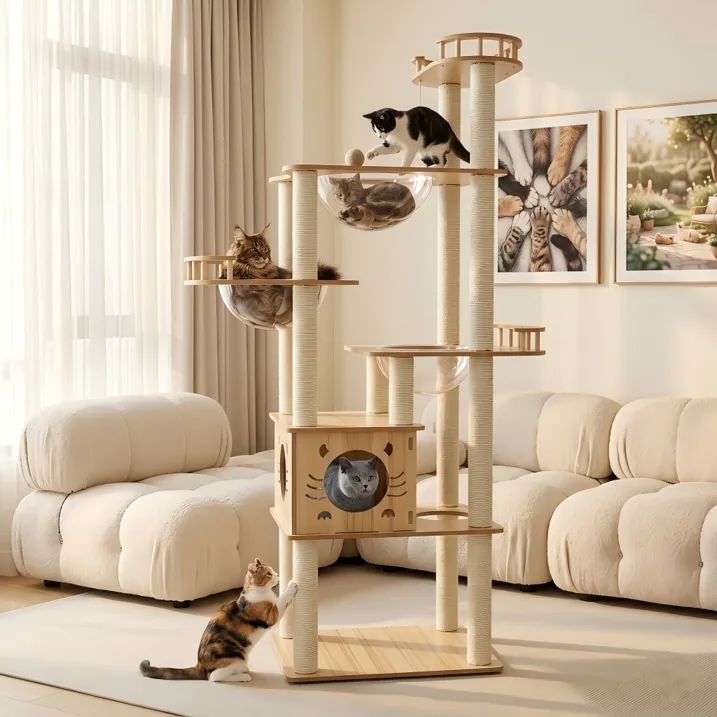
Wobbly towers and wrong-size platforms drive cat furniture returns; carton size, stability and fit matter more than price.
Cat furniture comes back more than anything else you stock, and the reason is usually physical rather than cosmetic. A tower that sways when a 5kg cat lands on the top platform is a return waiting to happen. Most of these units are built from 12mm particleboard with a footprint under 40cm square; the centre of gravity sits too high, the base flexes, and the buyer films it wobbling on the carpet before boxing it up. You absorb the outbound freight, the return freight, and a unit that now needs repacking or writing off.
Freight per cubic metre is the second leak. A typical 150cm tower ships in a carton around 152 x 42 x 30cm — roughly 0.19 cubic metres — and carriers bill on that volume whether the product weighs 9kg or 14kg. On a landed cost of £38 against a £79.99 retail, a single return can wipe out the margin on three sales. Damage claims add to it: particleboard corners crush in transit, and platforms over 40cm wide are the first to crack when a carton is stacked badly.
Wrong-size platforms are a quieter problem. Buyers order for a large Maine Coon or a pair of cats, then find a 30cm perch that fits one paw. Returns here are rarely about quality; they are fit failures you can prevent with accurate platform dimensions and weight ratings on the listing.
Watch margin per square foot too. A 150cm tower occupies valuable shelf or pallet space and turns slowly if it keeps coming back. Dropshipping hides the wobble until the customer assembles it, which pushes the problem into warranty claims instead of pre-shipment checks.
Mekidulu supplies heavy-duty birch cat furniture factory-direct, MOQ 10 units.
Sources: